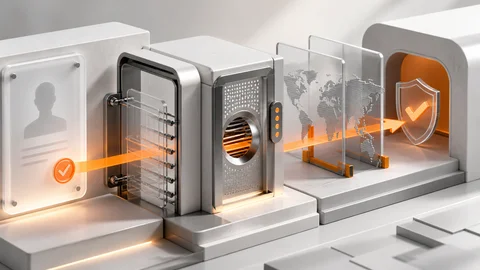
Pre-IPO investing used to be impossible for regular people. Minimums were $100K+, you needed VC connections, and the whole system was designed to keep outsiders out.
That's changing - but the barriers haven't disappeared entirely. This guide covers everything beginners need to know before investing in private companies. If you're ready to build a diversified approach, also check out our guide on building a pre-IPO portfolio.
What Is Pre-IPO Investing?
Pre-IPO investing means buying equity in a private company before it goes public. You're getting ownership before there's a stock ticker, before CNBC talks about it, before your neighbor mentions it at a barbecue.
Why it matters: Companies create most of their value while private. When Facebook IPO'd, early investors were already sitting on 20,000x returns. IPO investors got maybe 5x over the next decade. Both are "Facebook investors," but the outcomes are radically different.
The trade-off: Higher potential returns come with higher risk and less liquidity. You might wait 5-10 years to see any return - or lose everything if the company fails.
Who Can Invest?
Historically, pre-IPO investing required being an accredited investor:
- $200K+ individual income (or $300K+ joint) for 2 years
- OR $1M+ net worth excluding primary residence
- OR certain professional credentials (Series 7, 65, 82)
Why these rules exist: The SEC argues private investments are riskier and less transparent, so only "sophisticated" investors should access them. Critics argue this just perpetuates wealth inequality.
What's changing:
- Regulation CF allows non-accredited investors to participate in some offerings (with limits)
- SPV structures let smaller investors pool capital
- Tokenized platforms are exploring new compliance frameworks
Ways to Access Pre-IPO Deals
1. Secondary Market Platforms
Platforms like Forge, EquityZen, and SharesPost let you buy shares from employees or early investors. Typical minimums: $10K-$50K.
Pros: Access to known companies (SpaceX, Stripe, etc.)
Cons: High minimums, limited selection, accreditation required
2. Angel Syndicates
Groups of investors pool capital to invest in startups together. Platforms like AngelList facilitate this.
Pros: Lower minimums ($1K-$5K), deal curation
Cons: Earlier stage = higher risk, still need accreditation usually
3. SPVs (Special Purpose Vehicles)
SPVs are single-purpose entities that aggregate capital from multiple investors to meet deal minimums.
Pros: Access deals you couldn't afford alone
Cons: Extra fee layer (management + carry)
4. Regulation CF Offerings
Crowdfunding under Regulation CF lets non-accredited investors participate with limits based on income.
Pros: Lower barrier to entry
Cons: Deal quality varies wildly, lower limits
5. Tokenized Platforms
Platforms like IPO Genie are building new access models using blockchain infrastructure for transparency and fractional ownership.
Understanding the Risks
Be honest about these before investing a single dollar:
Illiquidity Risk
Your money is locked up for years. No selling when you need cash or when prices drop. Budget only money you genuinely won't need for 5-10 years.
Company Failure
Even late-stage companies fail. WeWork was valued at $47B before nearly going bankrupt. Theranos raised $700M before being exposed as fraud. Due diligence matters.
Valuation Risk
Private valuations aren't set by markets - they're negotiated. A company valued at $10B in a bull market might be worth $3B in a downturn. See: Stripe's 50% haircut in 2023.
Information Asymmetry
Private companies share less data. Insiders know more than you. This information gap is real and won't disappear.
Dilution
Future funding rounds can dilute your ownership. A 1% stake today might be 0.5% after two more rounds.
How to Evaluate Opportunities
Before investing in any pre-IPO deal, research:
The Business
- Is the market large and growing?
- Does the company have real traction (revenue, users)?
- What's the competitive moat?
- Who are the customers and why do they pay?
The Team
- Have founders built successful companies before?
- Is there relevant domain expertise?
- What's the employee retention like?
The Deal Terms
- What's the current valuation vs. comparable companies?
- What's the token/equity structure?
- Are there liquidation preferences that could wipe you out?
- What's the vesting schedule for insiders?
The Path to Liquidity
- When might the company IPO or get acquired?
- Are there secondary market opportunities?
- What happens if the company stays private for 10+ years?
Building a Pre-IPO Portfolio
Single investments are gambling. A portfolio is investing.
Diversification Rules
- Number of deals: Aim for 10-20+ investments over time
- Stage diversity: Mix early and late-stage opportunities
- Sector diversity: Don't put everything in AI or crypto
- Time diversity: Invest across different market conditions
Position Sizing
- Never put more than 5-10% of investable assets in pre-IPO
- Individual positions should be 0.5-2% of total portfolio
- Assume any single investment could go to zero
Vintage Diversification
Invest consistently over years rather than all at once. This spreads risk across market cycles and gives you exposure to different "vintages" of deals.
Getting Started Checklist
- Check your eligibility: Are you accredited? If not, explore Reg CF options.
- Set a budget: Only money you won't need for 5-10 years.
- Research platforms: Compare fees, minimums, and deal quality.
- Start small: Your first investment should be a learning experience.
- Document everything: Track investments, valuations, and updates.
- Stay patient: Returns take years. Don't expect instant gratification.
Pre-IPO investing isn't for everyone. But if you have the risk tolerance, time horizon, and genuine interest in private markets, it's an asset class worth understanding.

Related: Pre-IPO Investing Explained | Accredited Investor Requirements | What is an SPV?
Frequently Asked Questions
Q: What's the minimum to start pre-IPO investing?
It varies widely. Some Reg CF offerings allow $100+. Secondary market platforms typically require $10K-$50K. Angel syndicates often start at $1K-$5K per deal.
Q: How do I know if a pre-IPO deal is legitimate?
Research the platform's reputation, verify the company exists with real revenue/users, check for SEC filings, and look for professional investors who've already participated.
Q: What's the average return on pre-IPO investments?
Returns follow a power law - most investments return little or nothing, while a few generate massive returns. Top-quartile VC funds target 3-5x net returns across a portfolio over 10 years.